The Main Street Alliance Vision
Building power for community-focused, people-centered small businesses for local economies.
The Problem.
COVID pummeled small businesses already hamstrung by decades of neoliberal policy and a long history of structural racism.
Developed in the wilderness of post-World War II Keynesianism economics, neoliberalism is a set of ideas: that people are rational actors seeking to maximize economic gains; that markets are the best processors of information; and that government policy should create and shield markets (from democratic politics). These ideas gained steam throughout the 1970s and 1980s with policy changes emphasizing growth over competition, attacks on labor unions, and government regulations. These principles contributed to widespread inequality.
Those changes undermined small business owners by taking away the economic and community-strengthening support they need to compete. Neoliberal policies completely shifted the unique identities and social fabrics that small businesses create on Main Streets in America.
Wisconsin MSA Member AJ Dixon testifies during a public hearing in 2021. Elevating real small business voices to counteract lobbyists in public forums is a key part of of our theory of change.
Our Theory of Change
Small business owners represent the diverse fabric of our country, and we have an untapped base of potential leaders to counteract the efforts of neoliberal policy proponents and the reactionary Right and strengthen the small business sector as a proven path to an equitable and vibrant economy.
By connecting leadership development, organizing at scale, and a data-driven narrative shift, Main Street Alliance can achieve a level of impact locally, statewide, and nationally.
There is no more critical time for this work, as our nation recovers from the pandemic and shifts the public perception of the economy and local businesses’ role.
Main Street Alliance’s Role
Realizing small business owners’ full potential as leaders for a just, post-neoliberal future that prioritizes good jobs, equity, and community requires four things that our organization is uniquely positioned to execute:
Support and develop small business owners’ leadership skills, critical analysis of neoliberal ideas, and alternative approaches for a more equitable economy.
Organize these small business owners; conduct campaigns that win policies that reduce concentrated economic and political power; establish a set of public goods; and contribute to a more robust infrastructure for further wins.
Conduct Research and share evidence that demonstrates the widespread benefits of a more equitable economy that supports thriving small businesses, and in turn, healthy communities.
Shift the public narrative and change the perception of who small business owners are (in terms of race, class, gender, motivations for going into business, and more) and what small business owners value by elevating their voices.
Our Core Issues
Since our founding in 2008, Main Street Alliance has countered the political misuse of small businesses by corporate interests and the very wealthy, arguing that market fundamentalism and bootstrap ideology undermine the needs and values of actual small businesses. Our new strategic plan sets goals for the above strategies focused on five core issue areas:
Care Economy: Paid Family and Medical Leave and Child Care
Tax Fairness: Both an equitable tax code, and also to ensure we have the revenue needed for robust public investments
Capital Access: Create new and improve existing capital access options for small business owners, especially those systematically left out of traditional options, including BIPOC and women business owners
Anti-monopoly: Tackle corporate concentration of power in the market and politics, which is detrimental to the growth and development of small businesses
Health Care: We need a universal health care system built on care, not profit.
MSA Member Maurice Rahming, owner of Oneill Electric in Oregon speaks with an employee.
Vision and Strategy
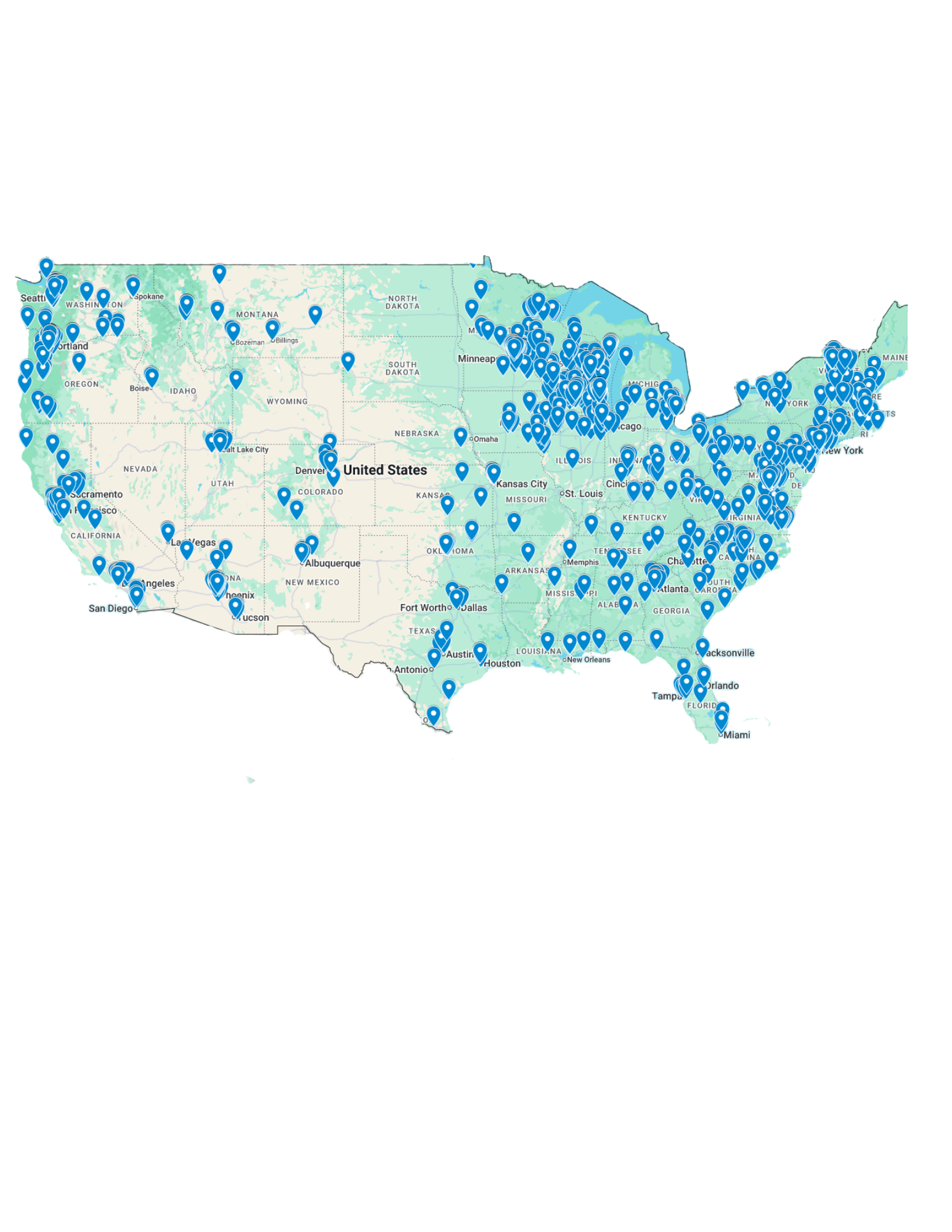
By 2027, we will have an organized base of small business leaders in every U.S. state, ready to take action, testify, and lead change locally and nationally. We are laying the groundwork today to build toward a membership base of 200,000 members. We will have meaningfully shifted the public narrative, in which national media outlets seek out our opinion on policy, strategy, and the small business owners’ story. By dismantling the neoliberal ideologies of individualism, free-market capitalism, and small government, our staff, and members will foster the narrative of healthy “Main Streets” in America. We are building community-focused, people-centered, small businesses for local economies.